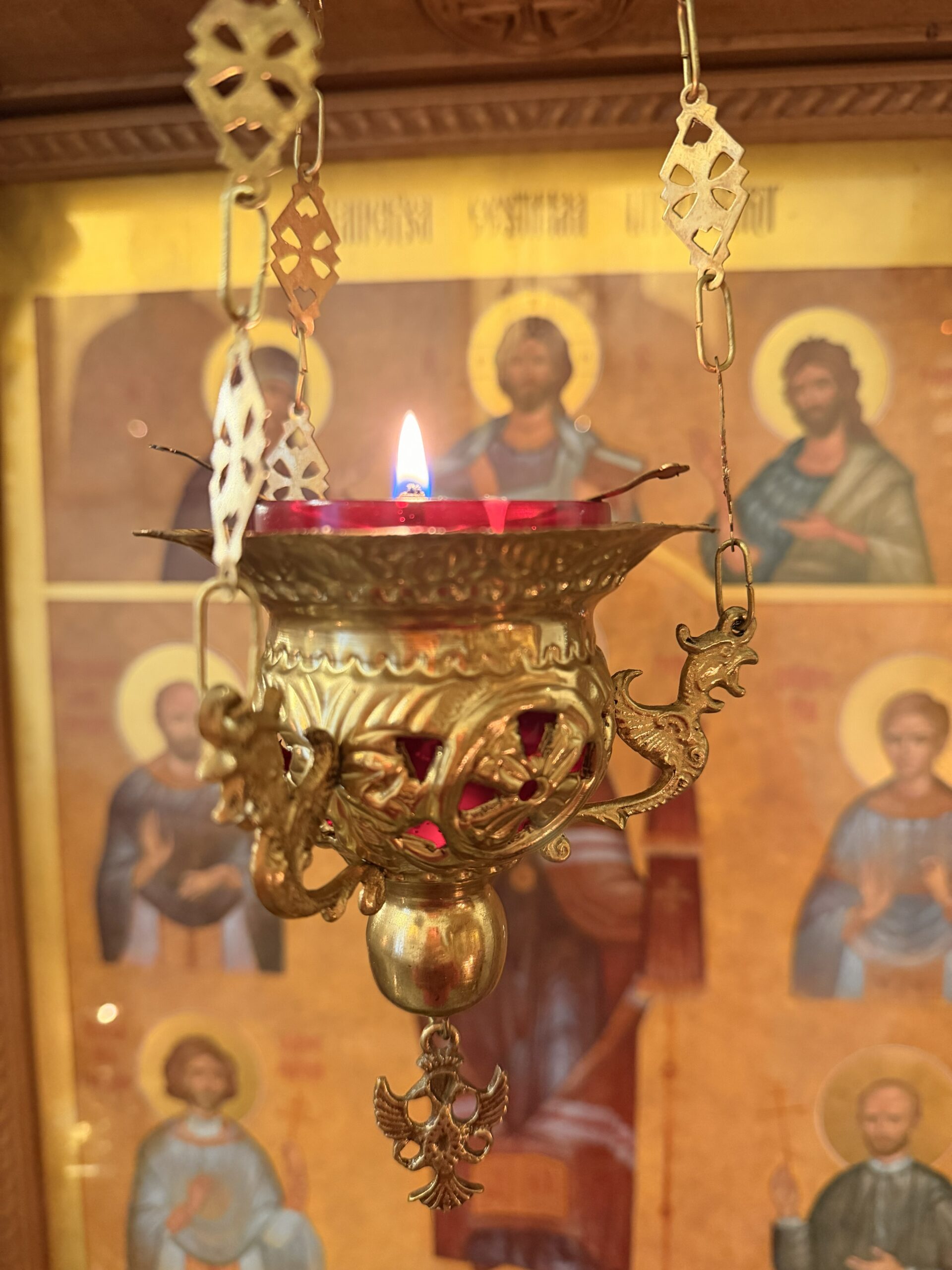
Tallinn Church Tour
What unites and what sets apart the Lutheran, Catholic and Orthodox churches
Overview
It is usually said that Christianity arrived in Estonia at the beginning of the 13th century “with fire and sword”. Yet history holds even older secrets. Estonia once lay on the pilgrimage route between Kyiv and Karelia, which means that the first contacts with Orthodoxy reach back to the 10th century — long before any of the crusades began.
The 16th-century Reformation turned the existing Catholic churches Lutheran, laying the foundation for the strong Lutheran tradition that continues in Estonia to this day. In the 19th century, when Estonia belonged to the Russian Empire, real power lay in the hands of the Baltic Germans. A rumour spread like wildfire among the country folk: whoever converted to Orthodoxy would be given free land in gratitude. Thousands changed their faith, which is why beautiful Orthodox stone churches still stand today. During the tour I explain which traditions and customs unite these churches, what the main differences between their traditions are, and which forces — conquest, reformation, empire and the hunger for land — made Estonia’s religious landscape so uniquely layered.
Itinerary
St Simeon and the Prophetess Anna Church
Niguliste
Important Info
For buying candles in the Orthodox church, I recommend bringing some coins.
Niguliste museum ticket prices can be found here.