Jõelähtme
A journey through time where, within short distances, utterly different worlds exist side by side — their only common denominator being their location: Jõelähtme municipality.
Overview
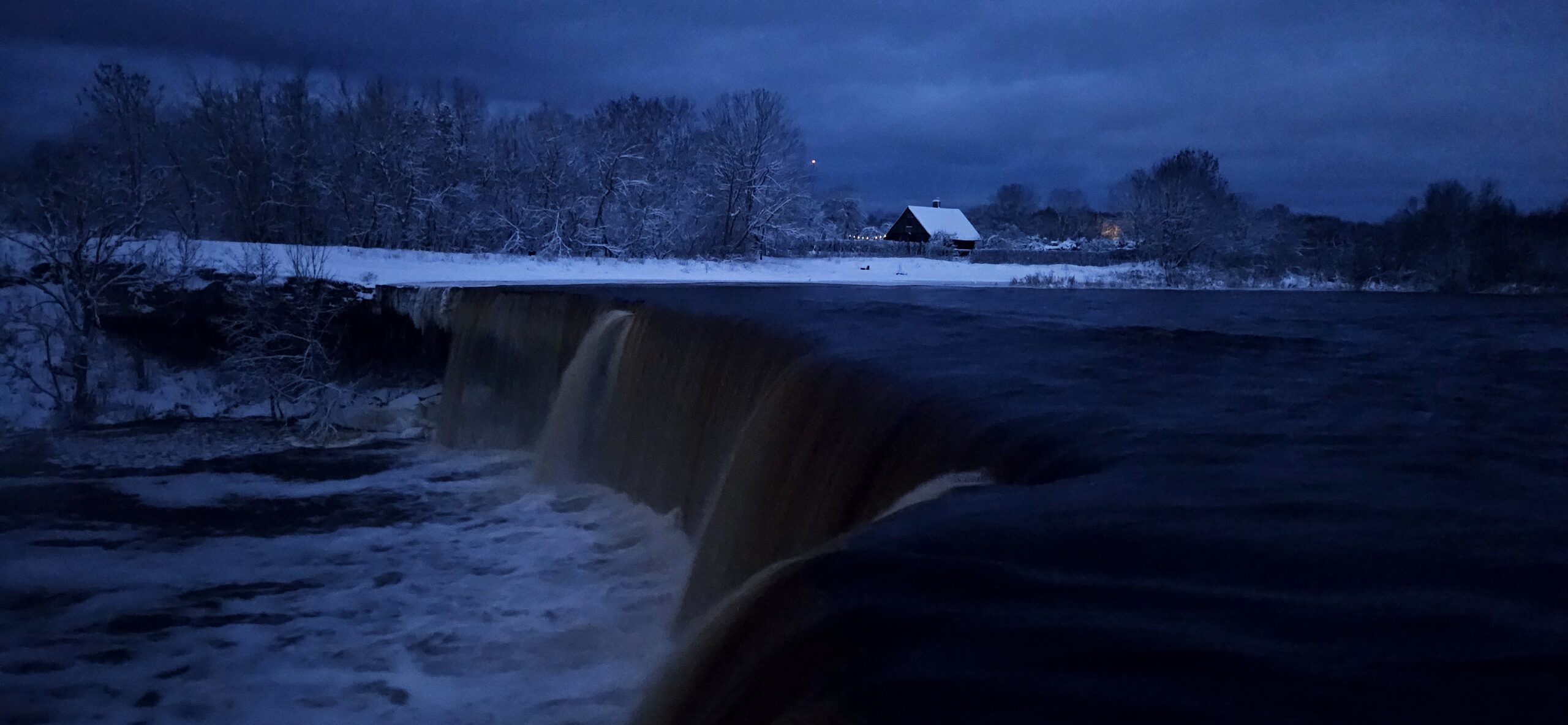
The day trip begins at the Saha Chapel of St Nicholas. It is a true historical gem – one of the oldest and most completely preserved medieval stone chapels in Estonia. Next we move on to the Soviet-era mining town of Maardu; driving down the hill at its edge, we suddenly find ourselves in the 16th century, where life moves to a completely different rhythm than in the town on the hill. The village museum’s exhibits tell authentic stories of local life. Driving through the Maardu shanty village, you simply look and marvel at this area that sprang up illegally in Soviet times, where people built their houses and gardens from whatever scrap materials they could find. It is living proof that you don’t have to travel to India to find slum architecture. Then we head into prehistory, visiting the Rebala “children’s cairns”. These rare stone-cist graves are named not after children buried there, but after the shepherd children who liked to clamber on the ancient stones and watch their herds from up there. We also pause at the edge of the Maardu open-cast mining trench, testimony to a landscape reshaped by human hands. Before entering Jõelähtme church, we stop in front of the War of Independence memorial to pay our respects to the local men who fought for Estonia’s freedom. The day ends with Jägala waterfall, the dam of the Linnamäe hydroelectric power station — declared a cultural monument in 2016 — and the braver ones can cross the Jägala river on a swaying suspension bridge.
Itinerary
Saha chapel
Maardu town
Rootsi-Kallavere village museum
Shanty village (Pilpaküla)
Rebala children's cairns
Jõelähtme War of Independence monument
Jõelähtme Church of the Holy Virgin Mary
Jägala waterfall
Linnamäe hydroelectric power station
Jägala suspension bridge
Important Info
If you wish, we make a lunch break at a local restaurant.